This post explores how Chinese audio platforms such as Ximalaya make voices feel trustworthy through categories, rankings, VIP labels, paid audio and platform design.
By Chuyi Lu
Published May 2026
Digital Audio / Platform Culture
“Why do some sounds sound trustworthy?” Click the link to the audio transcript.
Before a voice truly begins to speak, the audio app has already designed a character for it in advance.
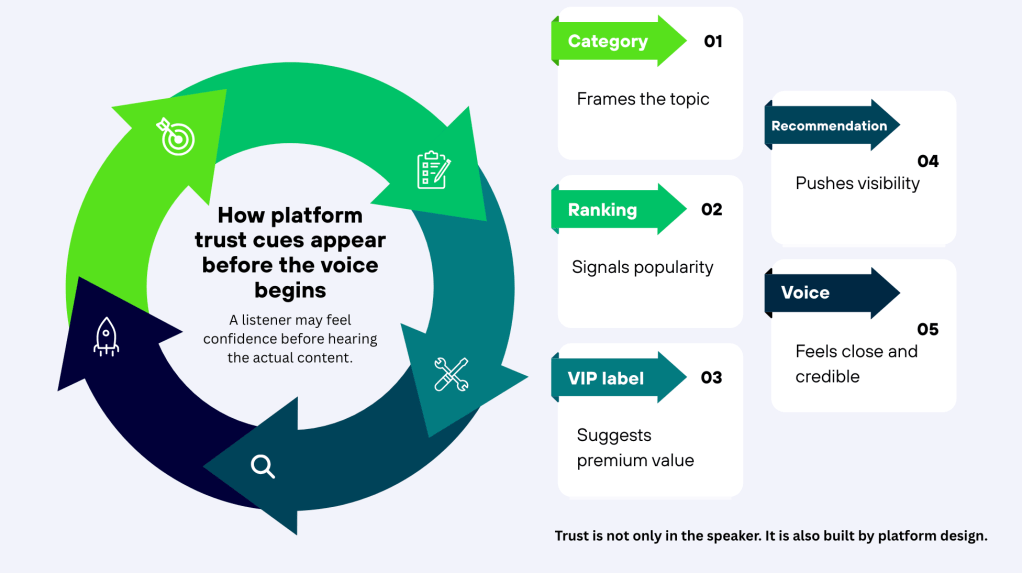
The title will refer to it as a ‘course’. Classification will place it under history, business, or the self-improvement. A small tag may read ‘VIP’. The ranking also implies that thousands of listeners have already listened to it. On Ximalaya and other Chinese audio platforms, before we press the play button, trust begins long.
This doesn’t say that the audience is careless. It means that ‘listening’ isn’t just shaped by the sound itself. It’s also influenced by the interface around the sound.
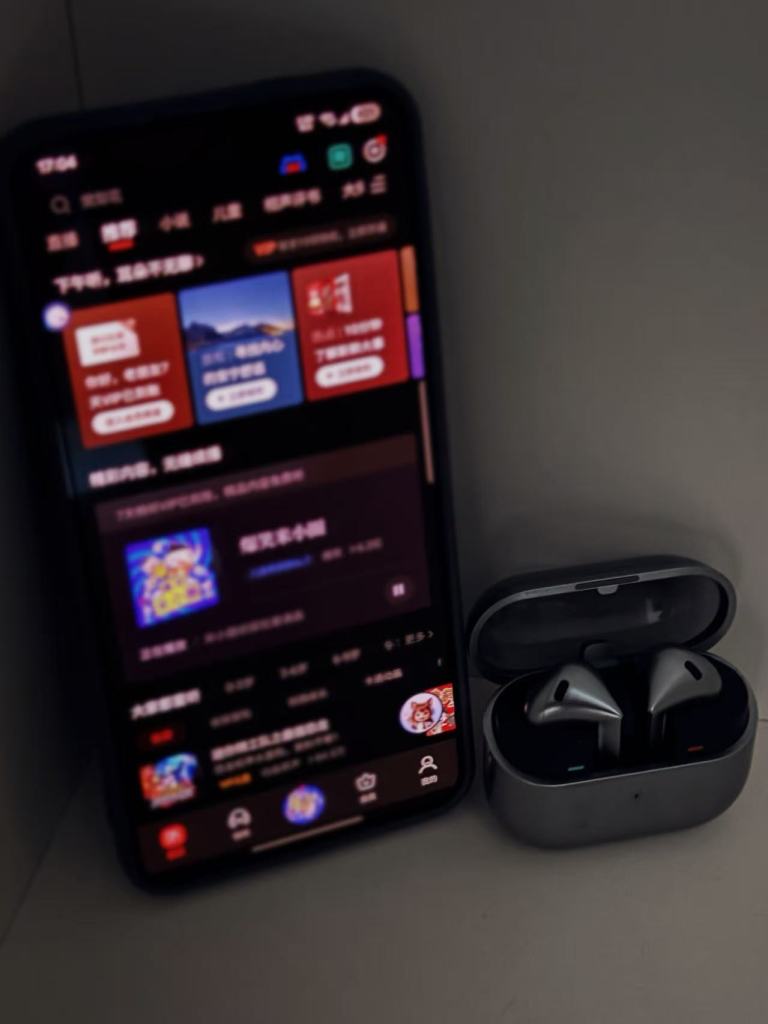
The audio’s intimate aspect is that it truly enters into everyday life. People listen to audio before going to bed while studying or doing housework. Unlike videos, we don’t need to stare at the screen all the time. You just let the audio sit quietly in the background, still making it feel close.
That’s also why the Ximalaya are worth analysing. In addition to its transmitting sound’s fuction, it’s also a platform. Voice can be classified, promoted on rankings, and converted into paid services. According to reports on the Chinese audio market, Ximalaya has pioneered product content like audiobooks, radio dramas, and paid knowledge courses. This indicates that listening isn’t just a cultural habit, it’s a business model as well.
How Audio Platforms Build Trust Before Listening
The function of classification is usually to help users find content. But more importantly, it also tells users how to understand these contents. A comedy show and a paid lecture can both be audio, but the the platform’s packaging may vary greatly. When a voice is placed under “knowledge” or “business”, there’s a sense of seriousness. On the contrary, a children’s story can create security sense; A historical program will be surrounded by an education sense.
Before the audience judges the actual content, the platform has already hint at what value the sound ‘should’ have.
This is more evident in paid audio. Ximalaya users can pay for VIP content or buy specific programs separately. This indicates that in addition to reflect the sound’s value itself, the value also attached to “access permission”. A paywall can help platforms and creators make money. But this is also a signal. When a program is marked as VIP content, paid content, or course, it appears more professional. At this point, users intentionally or unintentionally feel that if something needs to be bought, it must have higher value.
This is where trust becomes commercialised. Although purchasing sound is voluntary for users; But the platform is actually stimulating their confidence in buying an ‘organised’ one: the speaker is authoritative, the course is worth listening to, and the voice is worth listening to again.
From Chinese Storytelling to Paid Audio
Paid audio doesn’t mean false or useless. Because many listeners do learn from audio courses and audiobooks. Because platforms let knowledge easy to obtain. When people don’t have time to read, audio is suitable for them.
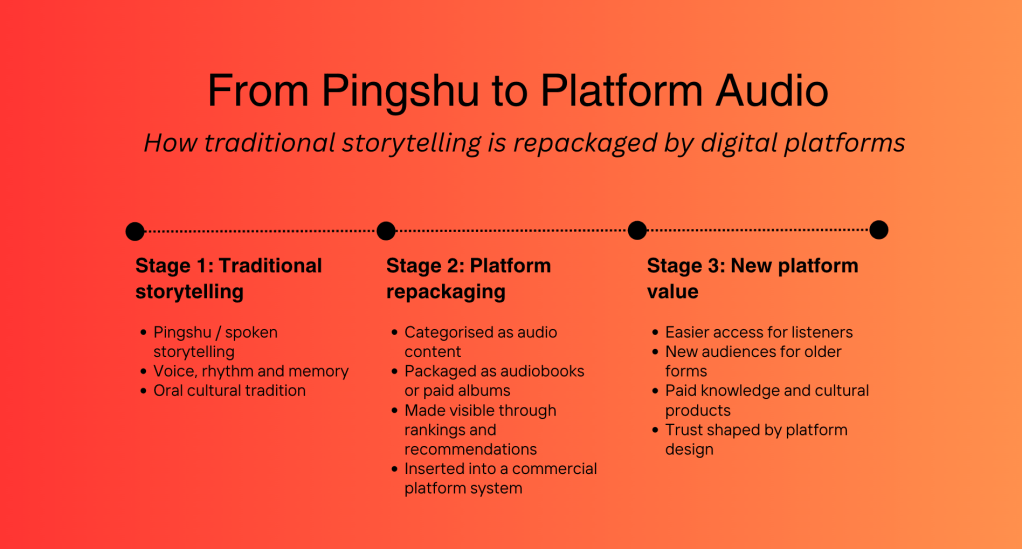
In China, audio has a long history. Pingshu is a Chinese traditional storytelling form. It still awakes online audiences’ curiosity to this day. This is very important, because digital platform remains old oral traditions as before. They’ll repackage these traditions and give them a new life. Now, verbal story become audiobooks, paid albums, integrated into the platform’s cultural content library.
But the problem is, value becomes difficult to distinguish from platform design.
Steady voices can sound very knowledgeable; Clear thumbnails would look so official; High ranking is able to make people feel that it has gained public recognition. Paid tags will also imply quality. These symbols are indeed trust clues. When the audience chooses what’s worth believing and paying money, they’ll catch their attention.
Ximalaya’s recent research content operation also mentioned that personalised recommendations, diversified content production, commercialisation paths are all part of its platform model. In other words, what users hear is actually shaped by the platform’s mechanism of trying to keep people listening.
Why a Smooth Voice Can Sound Trustworthy
Listening to audio is usually multitasking. When people are walking on the street, or listening audio before falling asleep, they won’t consider checking the speaker’s background or sources. The fact is, they believe in the power of tone and confidence. This indicates, a smooth voice can help information be understood and accepted effectively. It can also make weak information sound more convincing.
That’s why the podcast accompanying this article will ask listeners about trust issues. It uses sound as both a theme and a method: people discuss why sound feels reliable, and podcasts also showcase the meaning brought by tone, rhythm, and intimacy. Audio is accompanied by transcripts, as podcast transcripts can make oral content more accessible, searchable, and understandable.
There’s a larger industry background here. Tencent Music’s acquisition of Ximalaya indirectly reflects the long audio’s value in China’s platform economy. That’s to say, the trust we feel on the platform is itself a part of a system composed of design, content, payment, and platform growth.
Here, the question is not whether the audience should trust the audio. Trust is an effective part of audio. A better question is: “How is this trust established” “Is it built on the speaker’s knowledge?” “Is it built on classification, VIP tags, rankings and recommendation systems?” or “Is it built through intimacy like ‘hearing someone talking in your ear’? “
For Chinese Listeners, this is precisely the most interesting part of digital audio. Listening can feel very personalised, but it’s designed within a categorising, promoting and monetises attention system. The sound maybe sounds close, but the platform is never far away.
We don’t need to stop listening. But we can use our awareness to listen.
Sometimes, we believe in beyond just sound. We believe in the platform built around this sound.
 China Listener
留下评论