Ximalaya looks like a simple audio platform, but it does much more than store content. It shapes what users hear, what they value, and what starts to feel worth paying for.
By Chuyi Lu
Published April 2026
Digital Media / Platform Culture
Listening to audio is within reach. Simply open the software, find the content you want to listen to, and click play. We’re familiar with this in our daily lives. No matter where you are, you can always listen with headphones on. So convenient that people are fascinated by audio. But, the platform itself is easily overlooked.
Ximalaya illustrates this point very well. In its previous submission to the United States, it defined itself as an online audio platform that can already integrate into people’s daily lives. In more recent Tencent documents, it’s been nominated as China’s leading online audio platform. Ximalaya is being discussed, and its large scale is just a very basic aspect. More importantly, it starts guiding listening before the user actually plays it. This isn’t just storing audio content. The key is that it can really influence what appears first and what’s truly worth buying.
China’s digital audio isn’t just ‘lip service’. In the Chinese context, oral storytelling actually has a long cultural history. The 5000 year long cultural river of China has nurtured many oral literary traditions; There are also forms of performance called “national quintessence” such as Quyi and Pingshu. This background is crucial. Apps like Ximalaya, it didn’t replace these traditions, but instead recorded these traditional narratives through audio and passed them down through generations. So, from this point of view, the old storytelling tradition hasn’t been abandoned, but has been given a “new life” on the platform.
- Listening Starts with Sorting
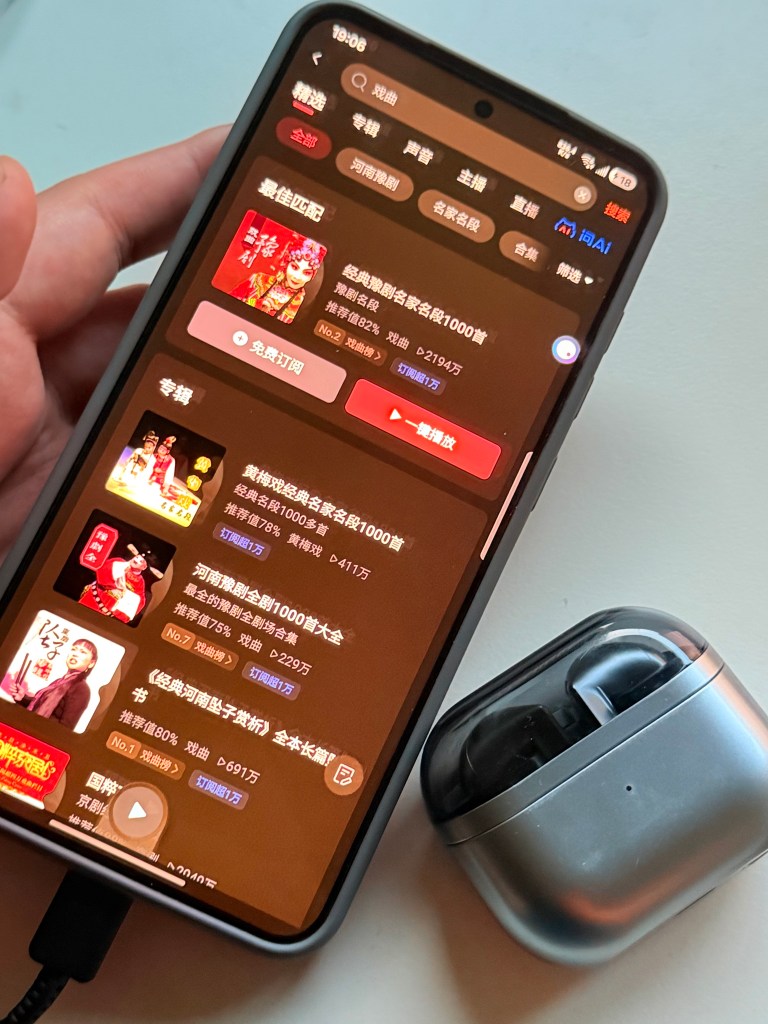
When listening to audio, most people don’t have any plans actually. More often than not, it’s just browsing casually, such as checking categories, rankings, banner ads, and recommended content. In this case, the shaping of the platform is‘one step ahead’. The study of platform culture shows that platforms are not just about carrying content; The circulation and realisation of culture can both be achieved.
On Ximalaya, there are some major categories of content, such as audiobooks, children’s content, business, history, and culture. This may seem like just a means of managing materials, but it can also lead users into certain specific paths. Classification will put related content together and distinguish it from other content. After establishing this structure, “content discovery” becomes more natural. It seems like users are selecting, but in fact, the platform has narrowed down the scope beforehand.
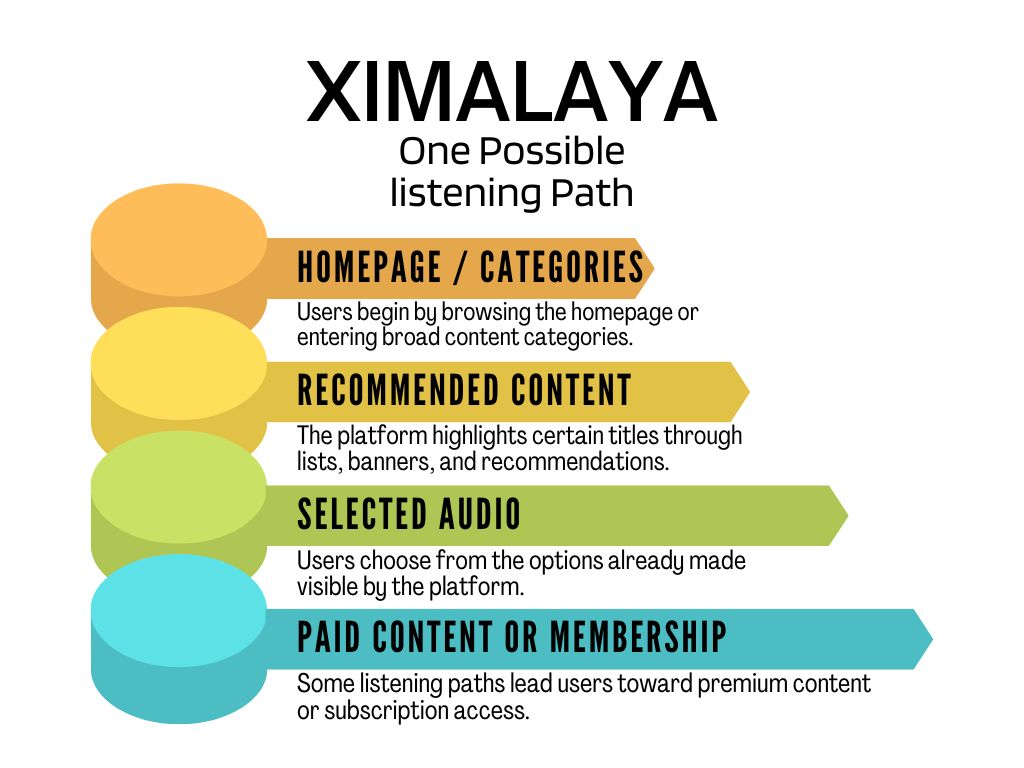
So, the privacy sense that audio brings to people isn’t like short videos that require high-intensity ‘staring’ at the screen. That’s to say, the system operation behind it is hidden and operates’ quietly ‘. People are very convenient to use, but in fact, they’re silently guided.
- When Voice Becomes a Product
One aspect of Ximalaya that is worth analysing is its clear portrayal of the commercial aspects behind audio. Its user agreement includes paid services such as paid albums, VIP membership, and children’s membership as part of the platform. Its official published materials go further. There, audio is presented as something that can flow between apps, websites, smart devices, and in car systems; And the income comes from paid sales, advertising revenue, and membership revenue.
This performance actually illustrates many issues: on this platform, besides being “listened to”, sound can also be turned into courses, children’s products, paid albums, or membership benefits. The value is quietly embedded in the form itself at this moment. This is linked to tags, access permissions, and platform packaging.
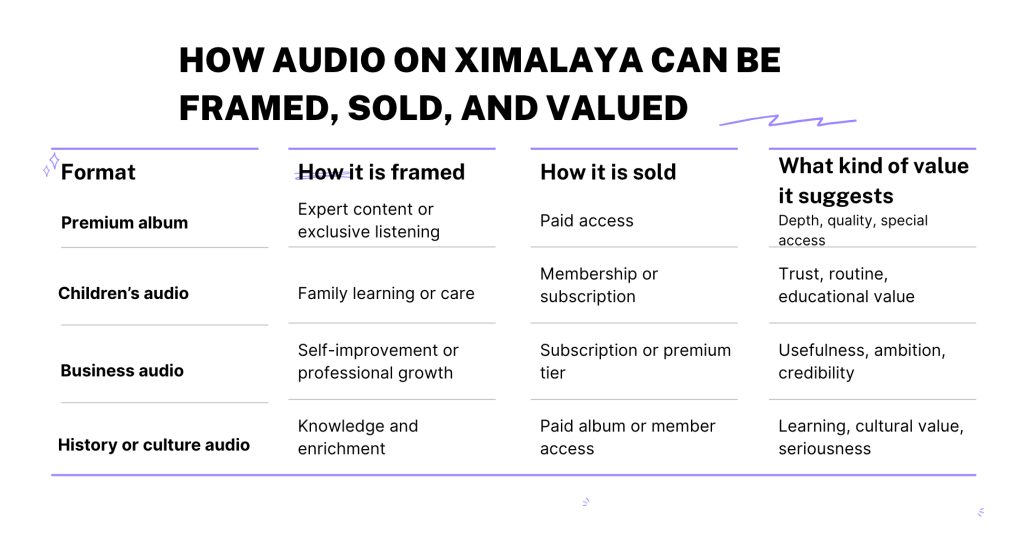
This explains why paid audio is important here. The platform isn’t just about collecting money from users. It’s also shaping how ‘value’ is recognised within the app. Some sounds may initially appear useful or trustworthy because they have the “right” label in the “right” category and are also placed in the “right” paywall. The platform can’t completely interfere with users’ judgment of content, but it can predict the conditions that will occur in advance.
- Why Audio Feels so Natural
Compared to video platforms or social media information streams, audio platforms are rarely subjected to critical discussions. It does appear quieter, giving people a feeling of being able to spend the day with you. It’s precisely this gentle image that makes the business logic behind the platform less apparent.
But online audio isn’t a tiny space. Recent industry reports have shown that the Chinese audiobook market has developed prosperously, and Ximalaya is outstanding. It occupies a big part of its revenue from paid content. This indicates that audio isn’t detached from platform capitalism, but rooted in this system.
Ximalaya’s value is about its integration of people’s daily habits into a well-structured media environment. You may feel listening is casual or personal. But behind your feelings, the content has been categorised, sorted, packaged, and sold “quietly”. So, Ximalaya’s “sells” is another way of listening. In the meantime, previous Chinese storytelling and oral tradition have also been put in digital systems actually. They have been luckily inherited by digital media platforms and repackaged, rearranged, and used for selling under new digital circumstances.
 China Listener
留下评论